




 English
 Deutsch
 Français
 Español
 Nederlands
Nike Air Rift
Like page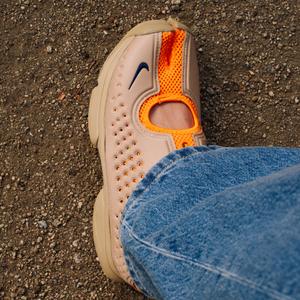
Nike Air Rift
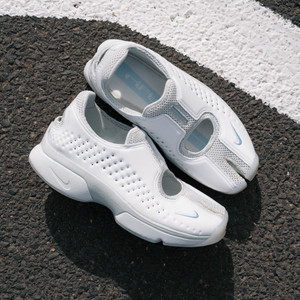
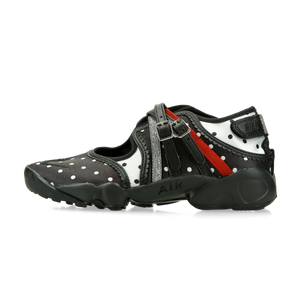
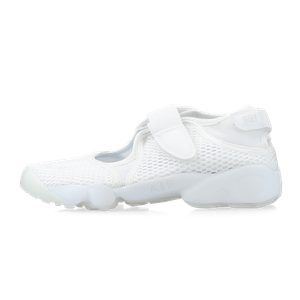
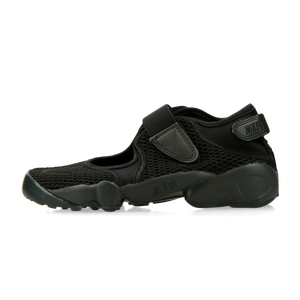
Split toe, flexible construction, and a silhouette somewhere between a retro runner and a sandal: the Nike Air Rift is one of the most distinctive designs in the Nike archive. Here you'll learn more about its history, unique fit, comfort, and the best ways to style it.
What makes the Nike Air Rift special?
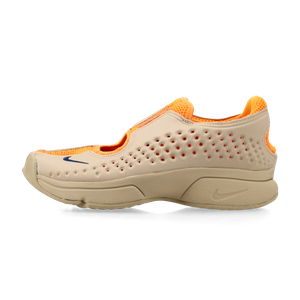
The Nike Air Rift combines elements of a lightweight running shoe with an open, stripped-back construction. Its most recognizable feature is the split toe, which still gives the model its unmistakable look today.
- Split-toe construction: The separation between the big toe and the other toes is the Air Rift's defining design feature.
- Adjustable hold: Straps around the midfoot and heel let you fine-tune the fit depending on the version.
- Low-to-the-ground feel: The construction sits closer to the ground than many modern running sneakers and provides a more direct underfoot feel.
- Material-dependent feel: Mesh and Breathe versions tend to feel especially light and flexible, while leather or suede editions can feel more structured and initially firmer.
The history of the Nike Air Rift
The Nike Air Rift debuted in 1996 as an experimental running shoe. Nike incorporated input from barefoot long-distance runners in Kenya during its development, with the goal of encouraging a more natural range of motion. Its name also references Kenya's Great Rift Valley.
The split toe was designed to let the big toe articulate more independently from the other toes. Combined with Nike Air cushioning and an outsole developed with traction in mind, it created an unusual natural-motion runner for its era.
Today, the Air Rift is worn mainly as a lifestyle sneaker. Its low profile, visible split-toe construction, and mix of athletic design with sandal-like elements still feel surprisingly modern.
Frequently asked questions about the Nike Air Rift
What should you know about the Nike Air Rift?
Is the Nike Air Rift a tabi shoe?
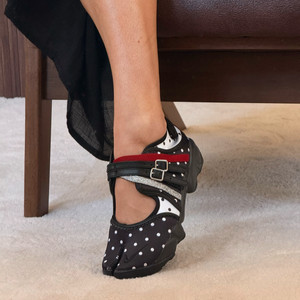
Yes, visually and structurally the Nike Air Rift has the split-toe shape commonly described as tabi-style today. Nike originally developed the split toe as a functional feature intended to support more natural movement while running rather than purely as a fashion reference.
Is the Nike Air Rift still a proper running shoe today?
No, we would not consider the Nike Air Rift a first-choice shoe for modern performance running. It was originally created for running in 1996, but today it is primarily worn as a lifestyle sneaker. Current running shoes generally offer much more specialized cushioning, stability, and support.
Fit and sizing
Does the Nike Air Rift fit true to size?
Yes, many current Air Rift versions can work in your usual size, but fit varies more by material and version than with conventional sneakers. Flexible mesh models usually have more give, while leather or firmer versions can feel tighter. Because the split-toe construction leaves little room for a poorly positioned big toe, sufficient length is especially important.
Is the Nike Air Rift suitable for wide feet?
Yes, flexible versions of the Nike Air Rift can work for wider feet, but not every variation fits the same way. The adjustable straps help secure the foot, while a stiffer leather upper may have noticeably less give. Going up in size adds length, but it does not automatically make the shoe anatomically wider.
Should your big toe touch the front of the Nike Air Rift?
No, your big toe should not constantly press against the end of the Nike Air Rift's split-toe compartment. The shoe can fit close to the foot, but the toes should not feel compressed or rub against the front while walking.
Comfort and on-foot feel
Is the Nike Air Rift comfortable for all-day wear?
Yes, if you like lightweight, flexible footwear with a fairly direct underfoot feel, the Nike Air Rift can be comfortable for long periods. Mesh and Breathe versions in particular tend to feel less restrictive. If you prefer very soft, high-volume cushioning, a modern running-inspired sneaker will usually suit you better.
Is the Nike Air Rift heavily cushioned?
No, the Nike Air Rift does not feel as heavily cushioned as a modern performance runner. Nike Air was part of the original construction, but the shoe remains relatively low-profile and provides noticeably more ground feel than many current running silhouettes.
Does the Nike Air Rift need to be broken in?
No, flexible mesh versions generally do not require much of a break-in period. Firmer leather or suede versions can initially feel more structured and may need some wear before the upper adapts more comfortably to your foot.
Styling and use
Does the Nike Air Rift work with wide-leg pants?
Yes, the Nike Air Rift works especially well with wide or straight-leg pants. Baggy jeans, lightweight trousers, and track pants create a strong contrast with the low, foot-hugging silhouette. Cropped pants put even more focus on the split toe.
Can you wear regular socks with the Nike Air Rift?
No, conventional socks are not the most practical option because of the split-toe construction. Split-toe or tabi-style socks match the shape better. In warm weather, the Air Rift is also commonly worn without visible socks depending on the version and personal preference.
Is the Nike Air Rift good for travel and city trips?
Yes, if you prefer lightweight footwear and direct ground feel, the Air Rift can work well for everyday use and city trips. For very long walking days or maximum cushioning, a more heavily padded running-inspired sneaker will usually be the more comfortable choice.
Conclusion: Nike Air Rift
The Nike Air Rift is a strong match if you like low-profile, flexible sneakers and deliberately want an unconventional split-toe silhouette. Textile versions tend to feel especially light and close to the foot, while leather or suede editions can feel more structured. The toe area should never be chosen too short.
For everyday wear, summer outfits, travel, and more experimental streetwear, the Air Rift is highly versatile. If you want maximum cushioning, traditional sneaker volume, or a shoe for modern performance running, a conventional retro or tech runner will be a better choice.
Similar sneakers at 43einhalb
- Nike P-6000: Combines athletic mesh with retro-running aesthetics, but offers more upper structure and a more traditional on-foot feel than the Air Rift.
- Nike Air Max 1: Also rooted in Nike running history and equipped with Air cushioning, but more supportive, more padded, and much more traditionally shaped.