



 English
 Deutsch
 Français
 Español
 Nederlands


Nike
Like page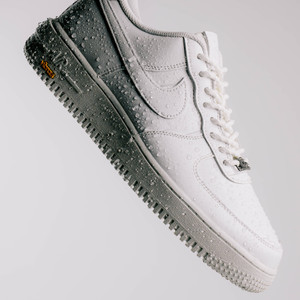

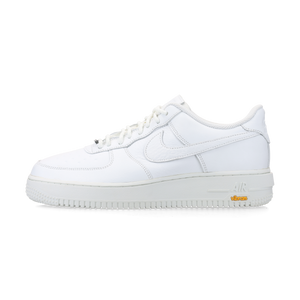
Nike has shaped the connection between sport, innovation, and sneaker culture for decades. Performance shoes originally created for running, basketball, and training have evolved into global lifestyle icons. As an authorised retailer, 43einhalb offers Nike classics such as the Air Force 1, Air Max 1, Air Max 90, Air Max 95, and Dunk, alongside retro-tech silhouettes such as the P-6000, Air Max SNDR, and current Nike Shox models.
Nike models compared
From basketball and Air Max classics to Y2K and retro-tech runners, these are some of the most important Nike silhouettes currently available at 43einhalb. Each model page features the available colourways and versions.
| Model | Style | Standout feature |
|---|---|---|
| Nike Air Force 1 | Basketball / Lifestyle | 1982 icon and the first basketball shoe to feature Nike Air technology |
| Nike Air Max 1 | Retro runner / Air Max | 1987 Air Max icon and the first Nike shoe to make visible Air a key design feature |
| Nike Air Max 90 | Retro runner / Air Max | Distinctive 1990 Tinker Hatfield design with visible Air cushioning |
| Nike Air Max 95 | Retro runner / Air Max | Anatomy-inspired layering and visible Air cushioning in the forefoot |
| Nike Dunk | Basketball / Lifestyle | 1985 college basketball heritage with later influence on skateboarding, streetwear, and sneaker culture |
| Nike P-6000 | Retro tech / Y2K | Mesh runner inspired by the Pegasus 25 and Pegasus 2006 |
| Nike Air Max SNDR | Retro tech / Y2K | Futuristic 1999 design with a zip closure and neoprene-like upper |
| Nike Shox | Tech runner / Y2K | Distinctive column cushioning and unmistakable early-2000s performance aesthetics |
From basketball and running to sneaker culture: Nike heritage
Nike sneaker history is closely linked to the idea of turning performance technology into a visible part of the design. Running and basketball repeatedly provided the foundation for shoes that later moved far beyond their original sporting context and became part of music, fashion, and streetwear.
Early running models such as the Cortez helped make Nike visible beyond sport. In basketball, the Air Force 1 marked a milestone in 1982. Designed by Bruce Kilgore, it was the first basketball shoe to feature Nike Air technology. Within just a few years, it moved from the court into streetwear and became closely associated with basketball, hip-hop, and urban culture.
The Dunk tells a similar but distinct story. Developed for college basketball in 1985, it was adopted by skateboarders in the 1990s and later became one of Nike’s most important lifestyle sneakers through Nike SB, collaborations, and countless colourways.
This connection between athletic function, recognisable design, and cultural reinterpretation continues to define the Nike range today.
Nike Air Force 1: From basketball shoe to streetwear icon
The Nike Air Force 1 debuted in 1982 and was designed by Bruce Kilgore. As the first basketball shoe with Nike Air technology, it introduced a new level of cushioning to the court. Its story, however, quickly grew far beyond basketball.
During the 1980s and 1990s, the Air Force 1 became firmly established in urban sneaker and hip-hop culture. Its clean leather upper, substantial cupsole, and wide range of colourways made it one of Nike’s most versatile silhouettes. The white Air Force 1 Low in particular evolved into a timeless everyday sneaker.
Today, the Air Force 1 remains one of Nike’s defining silhouettes, combining basketball heritage with music, streetwear, and classic lifestyle design.
Air Max: When cushioning became visible
Few Nike families represent innovation as clearly as Air Max. With the Air Max 1, designer Tinker Hatfield made the Air unit visible in 1987. Inspired by the Centre Pompidou in Paris, the technology was no longer hidden inside the shoe but deliberately became part of its visual identity. This marked the beginning of one of the most influential sneaker lines ever created.
The Air Max 90 took the idea further in 1990 with a more dynamic and technical silhouette. Originally known as the Air Max III, it became closely associated with bold paneling, visible Air, and legendary colourways such as Infrared.
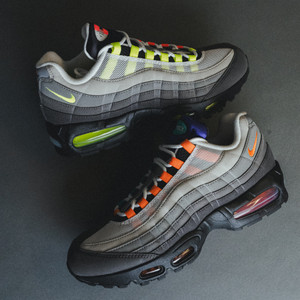
In 1995, the Air Max 95 reshaped the Air Max aesthetic again. Designer Sergio Lozano drew inspiration from human anatomy, with the shoe’s structure recalling the spine, ribs, and muscle fibres. It also introduced visible Air cushioning in the forefoot. That combination of technical innovation and radical design continues to make the Air Max 95 one of the most important Air Max models.
From the court to the streets: Why the Nike Dunk became a cultural icon
The Nike Dunk was developed in 1985 around college basketball. Bold team colours brought the identity of American college teams directly onto the court. What started as a basketball shoe later found an entirely new audience.
In the 1990s, skateboarders adopted the Dunk for its durable construction and flat sole. With Nike SB and the Dunk Low Pro SB, this connection became an official part of the model’s history in the early 2000s. Today, the Dunk represents basketball heritage, skate culture, limited collaborations, and classic streetwear style in equal measure.
Y2K and retro tech: P-6000, Air Max SNDR and Nike Shox
Nike heritage is not limited to classic silhouettes from the 1980s and 1990s. The technical running and performance aesthetics of the late 1990s and early 2000s are once again an important part of sneaker culture.
The Nike P-6000 combines elements from older Pegasus runners and draws design inspiration from the Pegasus 25 and Pegasus 2006. Mesh, layered overlays, and sporty lines give it the unmistakable running look of the early 2000s. Today, the P-6000 works less as a traditional performance runner and more as a comfortable retro-tech lifestyle sneaker.
The Nike Air Max SNDR, on the other hand, looks back to a futuristic 1999 design. Its neoprene-like upper, prominent zip closure, and technical construction still feel remarkably modern decades later. The SNDR shows perfectly how designs once considered futuristic now fit naturally into Y2K and tech-sneaker aesthetics.
Nike Shox represents the same technology-driven mindset. Its distinctive cushioning columns made performance technology a defining visual feature in the early 2000s. That uncompromisingly technical appearance is exactly why Shox is once again closely associated with Y2K, retro-futurism, and streetwear.
Air Force 1, Air Max, Dunk or retro tech: Which Nike suits you?
If you are looking for a timeless leather sneaker for everyday wear, the Air Force 1 is one of Nike’s most classic options. Its slightly bulkier basketball silhouette works especially well with denim, cargo trousers, and relaxed streetwear.
For classic running heritage, the Air Max 1 and Air Max 90 are particularly versatile. The Air Max 95 feels much more technical and substantial, making it ideal if you want the sneaker to play a stronger role in the outfit.
If you prefer a classic basketball and streetwear silhouette with a flatter profile, the Nike Dunk is the natural choice. For a lighter Y2K running look, the P-6000 is an easy option. The Air Max SNDR and Nike Shox are more futuristic, combining technical performance aesthetics with current retro-tech and streetwear looks.
New Nike colourways, collaborations and limited releases
Nike continuously combines its extensive archive with new colourways, retro releases, and collaborations. Classics such as Air Force 1, Air Max, and Dunk regularly return in new materials and colour combinations, while models from the late 1990s and 2000s are being rediscovered by a new generation.
New Nike releases and limited drops arrive regularly at 43einhalb. Upcoming launches can be found in our Coming Soon section.
Frequently asked questions about Nike sneakers
Which Nike sneakers are the most important classics?
The most important Nike classics include the Air Force 1, Air Max 1, Air Max 90, Air Max 95, Dunk, and Cortez. Most originated in basketball and running but became firmly established in streetwear, music, and sneaker culture over the decades. Retro-tech models such as the P-6000, Air Max SNDR, and Nike Shox are also highly relevant today.
Why is the Nike Air Force 1 so important?
The Nike Air Force 1 was the first basketball shoe to feature Nike Air technology in 1982 and later became one of the most important streetwear sneakers ever made. Designed by Bruce Kilgore, it moved from the basketball court into hip-hop, fashion, and urban culture. The white Air Force 1 Low in particular is now considered a timeless lifestyle classic.
What is the difference between Nike Air Max 1, Air Max 90 and Air Max 95?
The Air Max 1 is the cleanest and most original of the three classics and made visible Air a central design feature in 1987. The Air Max 90 has a more angular, dynamic look and a stronger retro-running aesthetic. The Air Max 95 feels more technical and substantial, with anatomy-inspired layering and visible Air cushioning in the forefoot.
Why is the Nike Air Max 95 so special?
The Air Max 95 combines anatomy-inspired design with an important development in Nike Air technology. Designer Sergio Lozano drew inspiration from the human spine, ribs, and muscle fibres. The model also introduced visible Air cushioning in the forefoot.
Why is the Nike Dunk so important to sneaker culture?
The Nike Dunk brings basketball, skateboarding, and streetwear culture together in one model. It was developed for college basketball in 1985, later adopted by skateboarders, and reworked by Nike SB in the early 2000s. Countless colourways and collaborations eventually made it one of Nike’s best-known lifestyle sneakers.
What is the Nike P-6000?
The Nike P-6000 is a retro-tech sneaker inspired by older Pegasus running models. Nike combines influences from the Pegasus 25 and Pegasus 2006 with mesh, layered overlays, and foam cushioning. The result is a comfortable lifestyle sneaker with a distinctive early-2000s running aesthetic.
What is the Nike Air Max SNDR?
The Nike Air Max SNDR is a futuristic retro-tech sneaker based on an original 1999 design. Key features include its neoprene-like upper, zip closure over the lacing, and technical Air Max construction. That makes the SNDR particularly suited to Y2K and retro-futuristic styling today.
What is special about Nike Shox?
Nike Shox is best known for the distinctive cushioning columns under the heel. The technology combines performance cushioning with a deliberately visible technical design. The look became especially influential in the 2000s and is now experiencing a strong revival through Y2K and retro-tech trends.
How do Nike sneakers fit?
Fit varies by model. Air Force 1, Air Max, Dunk, P-6000, and Shox all use different lasts, padding, and upper constructions. For that reason, you should not rely on a single general Nike size recommendation. You will find model-specific fit and sizing advice on the relevant product and model pages.
Which Nike sneaker works best for a Y2K or retro-tech look?
For a Y2K or retro-tech look, the Nike P-6000, Air Max SNDR, Air Max 95, and Nike Shox are especially suitable. The P-6000 has more of a classic early-2000s runner feel, while the SNDR and Shox look noticeably more futuristic and technical.
Are the Nike sneakers at 43einhalb authentic?
Yes. 43einhalb is an authorised Nike retailer and sells only authentic products sourced directly from the manufacturer or its official distribution channels.