




 English
 Deutsch
 Français
 Español
 Nederlands
Nike Air Max 1
Like page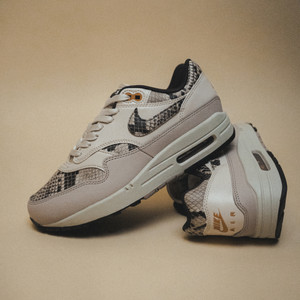
Nike Air Max 1
The Nike Air Max 1 combines 1980s running DNA with a silhouette that has become firmly established in sneaker culture. Learn more about its history, fit, comfort, and the right styling.


What makes the Nike Air Max 1 stand out?
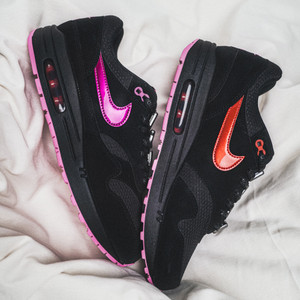
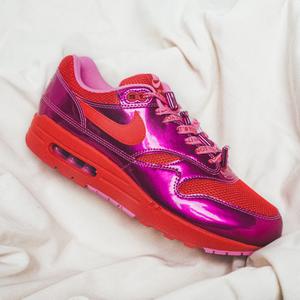
The Nike Air Max 1 started the Air Max line and combines a classic retro-running shape with visible Nike Air integrated into the midsole.
- Visible Air unit: In 1987, the Air Max 1 turned Air cushioning into an intentionally visible and defining part of the sneaker's design.
- Retro-running silhouette: Layered panels, a padded collar, and a relatively compact sole clearly reflect the model's origins as a running shoe.
- Layered upper: Depending on the colorway, the upper can combine textiles, mesh, leather, or suede. As a result, feel and fit may vary slightly between versions.
- Balanced proportions: The Air Max 1 looks sportier and more substantial than very low-profile retro sneakers but remains less bulky than many modern max-cushion silhouettes.
The history of the Nike Air Max 1
The Nike Air Max 1 debuted in 1987 and was designed by Tinker Hatfield. Nike was already using Air cushioning at the time, but the Air Max 1 turned the technology into an intentionally visible design feature. Hatfield drew inspiration in part from the Centre Pompidou in Paris, whose technical structures are deliberately exposed on the outside.
Part of the sneaker's midsole was opened up so the Air unit in the heel could be seen from the outside. That turned a functional running technology into a visual signature at the same time. The Air Max 1 became the starting point for the entire Air Max family and gradually moved from performance running into streetwear and sneaker culture.
Visible Air, a layered upper, and balanced retro-running proportions still define the model today.
Frequently asked questions about the Nike Air Max 1
Fit and sizing
Does the Nike Air Max 1 fit true to size?
Yes, for many standard Air Max 1 releases, your usual Nike size is a good starting point. The sneaker generally fits fairly close to the foot without feeling unusually short in length. Materials, padding, and specific '86, '87, or Premium versions can still feel slightly different.
Is the Nike Air Max 1 good for wide feet?
No, the Nike Air Max 1 is not always the easiest option for very wide feet. The classic retro-running last can feel relatively compact through the forefoot. Going up half a size may create a little more room, but it does not turn the shoe into a genuinely wider-fitting model.
Comfort and feel
Is the Nike Air Max 1 comfortable for all-day wear?
Yes, the Nike Air Max 1 offers balanced retro-sneaker comfort for everyday wear and longer casual walks. The visible Air cushioning under the heel helps soften impact, while the overall platform remains firmer and more direct than current high-cushion running shoes.
Is the Nike Air Max 1 cushioning very soft?
No, the Nike Air Max 1 does not feel extremely soft underfoot. The Air unit mainly supports the heel, while the midsole has a relatively controlled and stable feel. If you want very soft and springy cushioning, a modern performance runner is the better option.
Styling and use
Does the Nike Air Max 1 work with wide-leg pants?
Yes, the Nike Air Max 1 works especially well with wide or straight-leg pants. Straight jeans, wide-leg pants, and cargos complement the volume of the retro-running silhouette. Slightly cropped pants also keep the sneaker's layered upper visible.
Can you still use the Nike Air Max 1 as a running shoe?
No, today's Nike Air Max 1 is not the best choice for modern performance running. Its construction comes from 1980s running, but the model is now mainly worn as a lifestyle sneaker. Current running shoes offer more advanced cushioning, stability, and geometry for regular training.
Is the Nike Air Max 1 good for travel and city trips?
Yes, if you like a stable retro sneaker with moderate cushioning. The Air Max 1 works well for everyday wear, travel, and city walking. For very long distances, however, some feet may prefer a softer and more heavily cushioned modern running sneaker.
Nike Air Max 1 conclusion
The Nike Air Max 1 is a strong choice if you want a classic retro runner with visible Air cushioning, a stable underfoot feel, and versatile streetwear appeal. For average-width feet, your usual Nike size is generally a good starting point, while very wide feet may find the compact forefoot less ideal. It works well for everyday wear, travel, and city outfits, while modern running shoes are the better option for performance training or maximum long-distance cushioning.
Similar sneakers at 43einhalb
- Nike Air Max 90: Another classic Air Max runner with visible Air cushioning, but with more pronounced panels, a chunkier heel area, and a more technical 1990s look.
- Nike Air Max 95: Significantly bulkier and more technical than the Air Max 1. It combines stronger visual layering with a more substantial sole construction and a pronounced 1990s running aesthetic.
- Nike P-6000: A good alternative if you prefer a more obvious mesh-runner look and a Y2K-inspired silhouette. The P-6000 appears more technical and less classic than the Air Max 1.